1. Safety and setup
Protective equipment is put on, and the crew plans for ammonia, dust, pests and sharp objects. Utilities and exits are checked.
New Carrollton, MD · Prince George's County
Not sure who cleans up after an animal hoarding case in New Carrollton? Agencies care for the animals, and a cleanup team takes care of the home. Call (877) 812-4220 to ask about hauling, disinfecting and repairs to plan for.
If anyone is in danger, call 911 first. For a suicide crisis, call or text 988.
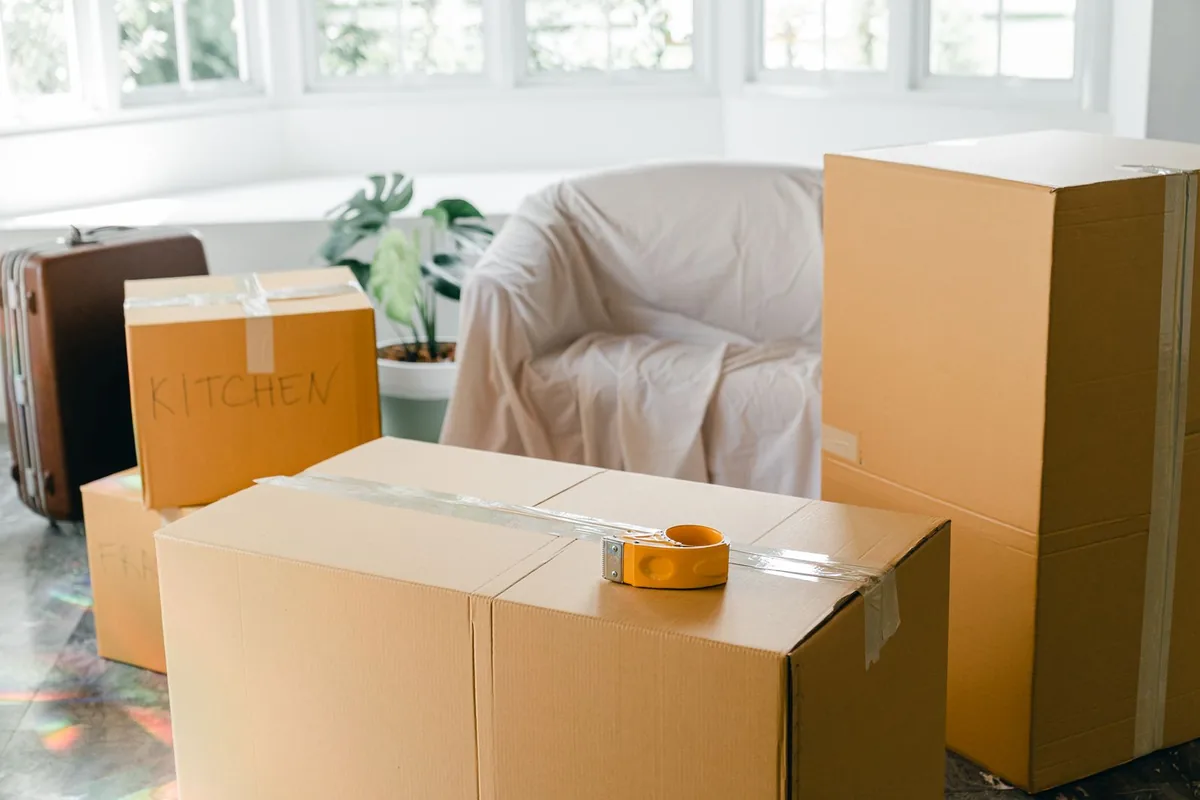
Animal hoarder cleanup combines waste removal, demolition of soaked materials, scrubbing, disinfecting and odor treatment. The aim is a home that people can enter and use again.
Whether you are a landlord, relative, new owner or caregiver in Prince George's County, you can call New Carrollton Biohazard Cleanup Help for safe, thorough help with a New Carrollton home damaged by animal waste. Local animal hoarding cleanup starts with one call.
With roughly 46% of homes in New Carrollton rented, animal waste cleanup is often driven by a lease, an inspection or a deposit dispute. The team can note conditions for the owner's records. July highs in New Carrollton average about 88 degrees. Heat affects how fast odor and pests spread, and the crew plans its protective gear and schedule around it.
The work often covers:
Protective equipment is put on, and the crew plans for ammonia, dust, pests and sharp objects. Utilities and exits are checked.
Floors, subfloors, walls and furniture are checked for soaked or contaminated materials. Pests and mold, if present, are noted.
Heavy waste and debris go first, then ruined materials, then scrubbing and disinfecting. The work moves from the worst rooms outward.
Odor treatment follows cleaning, and the team notes any floors, walls or fixtures that need a builder. Pest control is recommended where needed.
Expect animal hoarding cleanup in New Carrollton, MD to cost roughly $500 to $8,000, with the final price set after an on-site assessment.
Soaked materials matter a great deal. Removing carpet, padding, drywall or subflooring adds labor and disposal, but it is often the only way to remove odor for good.
| Type of job | Typical range |
|---|---|
| Biohazard handling inside a hoarded home | $1,500 - $5,000 |
| Animal waste cleanup | $500 - $8,000 |
| Animal waste disposal | $20 - $25 per 50 pound bag |
| Animal waste cleanup | $500 - $5,000 |
Estimates only, not a quote. Sources: Biohazard cleanup company pricing guide, Lifecycle Transitions, Fixr. Price drivers include amount of animal waste, how long it built up, flooring and wall materials, odor treatment. Call (877) 812-4220 to talk through the job.
Often yes, when the source is treated. Urine that soaked into subfloors and walls has to be removed or sealed, and covering the smell with fragrance does not last. The team can say what is likely once it has seen the home.
Crews bag waste and soiled bedding, remove soaked flooring and drywall, scrub and disinfect, and treat odor at the source. They wear protective suits and respiratory protection. A final inspection confirms that each room is ready for repairs.
It is the cleaning of a home after too many animals were kept in it to be cared for well. Crews in protective gear remove waste and soiled materials, scrub, disinfect and treat odor. The animals are handled first by an agency such as animal control or a rescue group.
Animal hoarding means keeping more animals than a person can care for well, often without seeing that the animals are suffering. Hoarding is a recognized mental health condition, and it is not a character flaw. It needs both animal and human support.
It comes from animal urine breaking down. Ammonia irritates the eyes, throat and lungs, and it soaks into floors and walls. Opening windows helps only briefly, and the smell returns until the source is removed.
Urine and feces release ammonia, which irritates the eyes and lungs. Waste can carry bacteria and parasites, and some diseases pass between animals and people. Fleas, ticks, rodents, dust and mold add to the problem. Anyone who feels unwell after time in the home should see a doctor.
Call and ask how papers, photos and keepsakes are kept safe from contamination.
Call (877) 812-4220